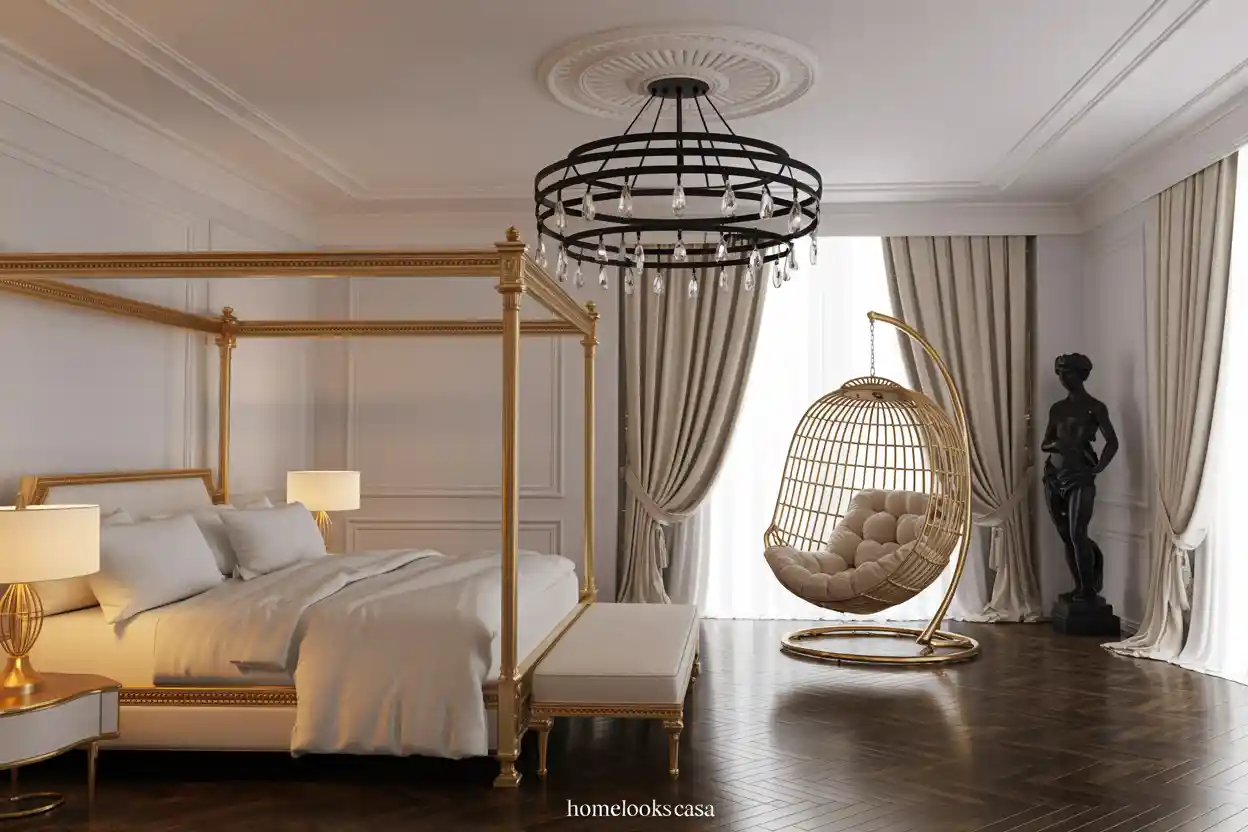
Types of Bedrooms Explained in Detail: Choose the Right Bedroom for Your Lifestyle
When designing a dream home or updating your current space, understanding the types of bedrooms available is key. Each bedroom serves a unique purpose—from restful master suites to playful kids’ spaces—and should be designed to match both the user’s needs and your home’s style.
1. Master Bedroom (Primary Bedroom)
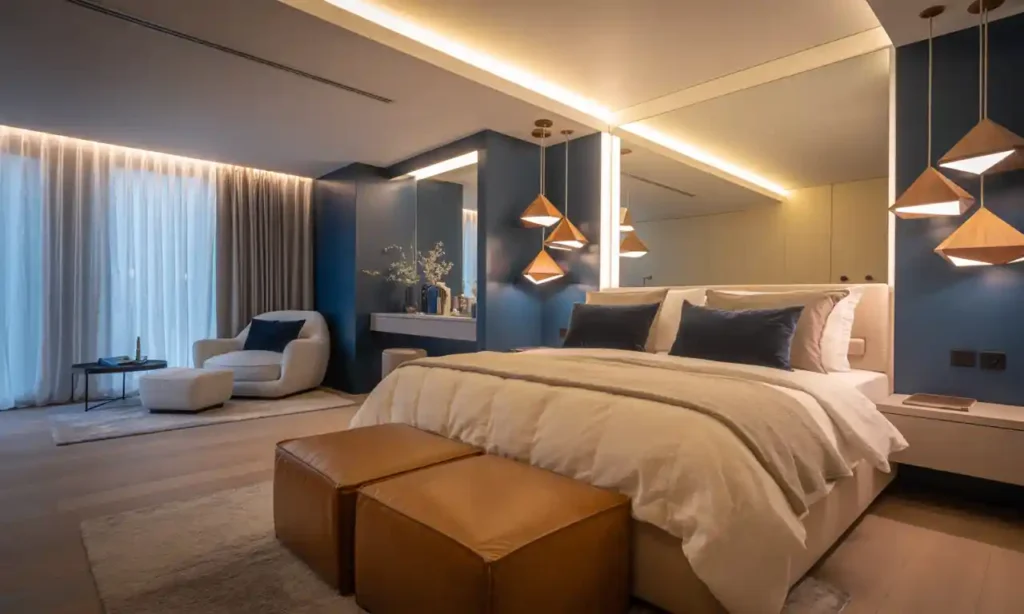
The master bedroom, often called the primary bedroom, is the main sleeping area in a house, usually reserved for the homeowners. It’s not just a place to sleep—it’s a private retreat where you begin and end your day. This room is typically the most spacious, offering enough area for a large bed (usually queen or king size), nightstands, seating areas, and sometimes a dedicated workspace or vanity.
A well-designed master bedroom includes an ensuite bathroom, often equipped with spa-like features such as a soaking tub, walk-in shower, or dual vanities. It may also have a walk-in closet or a built-in wardrobe to keep the space organized.
For style, many homeowners opt for a soft, calming color palette with layered lighting, plush textures, and meaningful decor. A comfortable bed, blackout curtains, and ambient lighting turn this space into a luxurious haven. Whether modern or classic in style, your master bedroom should feel like a peaceful escape from the outside world.
2. Guest Bedroom
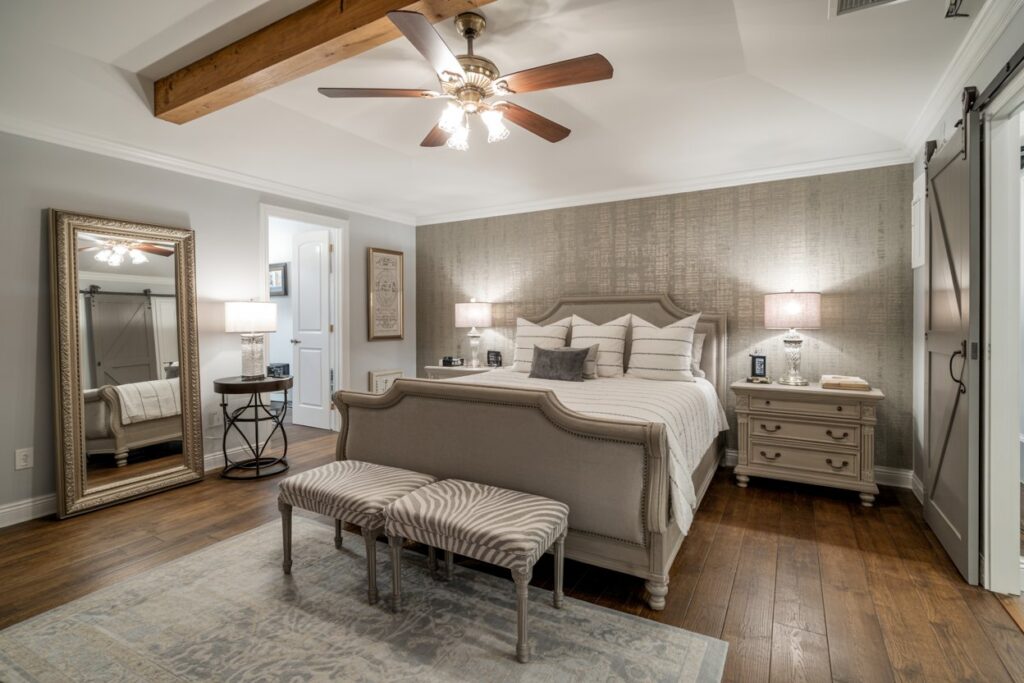
The guest bedroom is designed to make visitors feel welcomed and cared for. It doesn’t need to be extravagant, but it should offer comfort, privacy, and functionality. This room is typically smaller than the master bedroom and may be used less frequently, but thoughtful touches can make all the difference.
Choose a full or queen bed to accommodate most guests, and invest in high-quality bedding for added comfort. A nightstand with a lamp, a clock, and phone charger adds convenience. If possible, include a dresser or a small closet for guests to store their belongings.
To maintain a clutter-free look, keep the design neutral and minimalist. Soft colors like beige, gray, or white create a relaxing atmosphere. If the space doubles as a home office or craft room, use multifunctional furniture—such as a Murphy bed or a sleeper sofa—to make the room flexible. Add small personal touches like fresh flowers or a welcome basket for an inviting experience.
3. Kids’ Bedroom
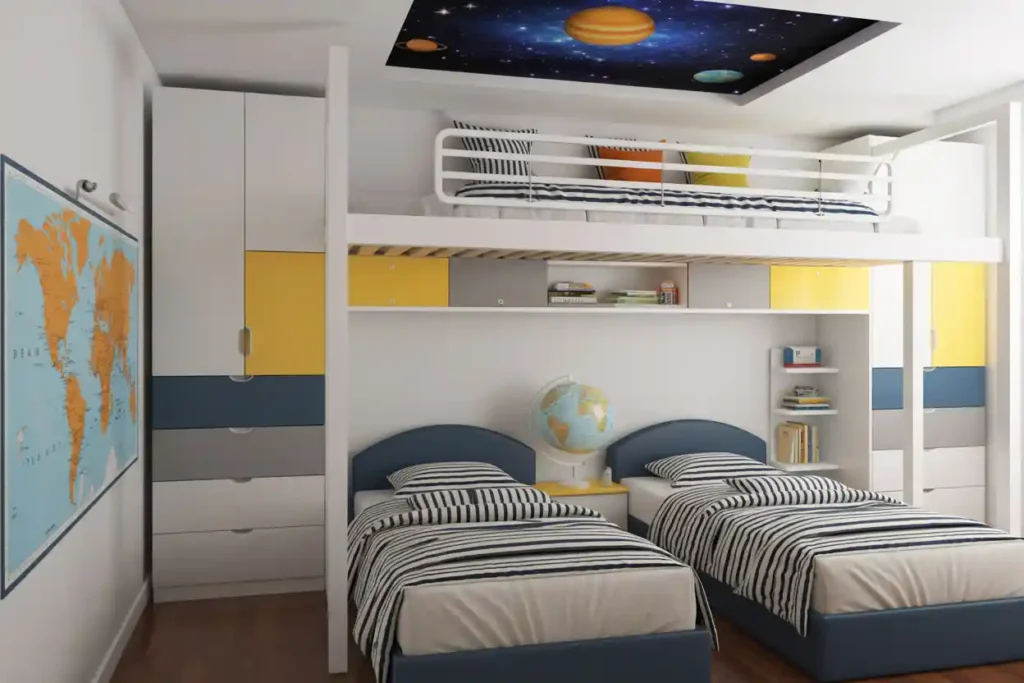
A kids’ bedroom should be colorful, playful, and filled with opportunities for learning and creativity. This is a space where children can sleep, play, and grow, so it needs to be both fun and functional. Start with a comfortable bed—whether a twin or bunk bed—and build the rest of the room around how your child uses the space.
Storage is crucial in a kid’s room. Use toy bins, shelves, under-bed drawers, and cubbies to help keep the area organized. Incorporate interactive features like a chalkboard wall, reading corner, or a mini desk for homework and art projects. Use child-friendly materials that are durable, easy to clean, and safe.
Choose colors and themes that match your child’s personality. Whether it’s space, animals, or soft pastels, letting them be involved in the design makes the room feel special. As children grow, the bedroom layout and decor should evolve with them—so keep it flexible and adaptable.
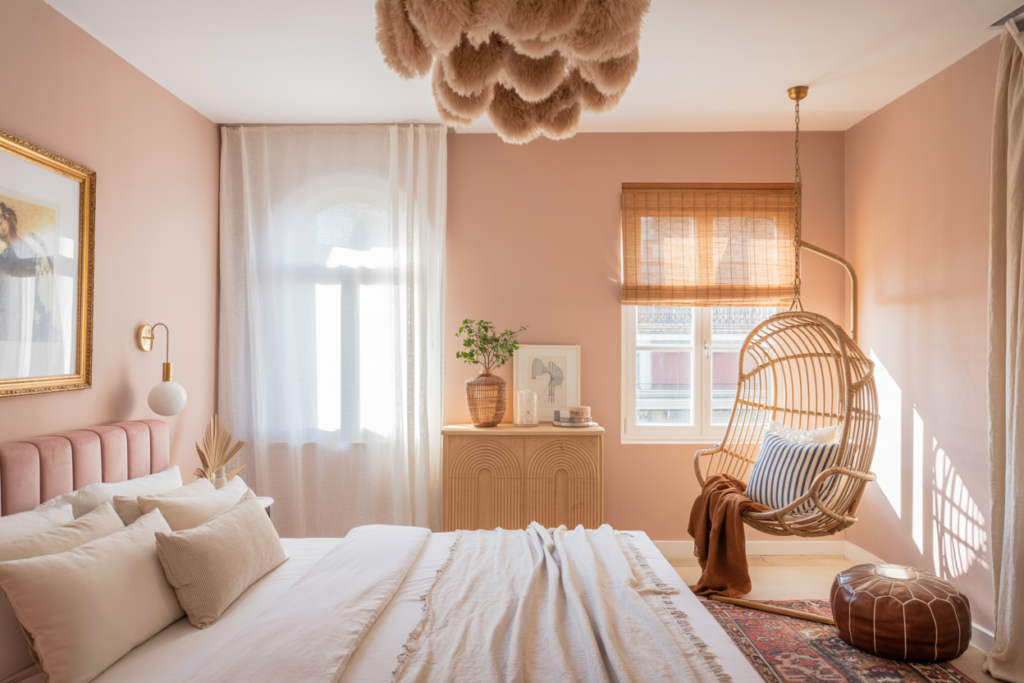
4. Teen Bedroom
The teen bedroom is all about self-expression, comfort, and independence. Teenagers use their bedrooms not just for sleep, but for studying, socializing, and relaxing. This space should reflect their interests and personality while supporting productivity and calm.
Start with a comfortable full-size bed or a loft-style bed that includes a desk or storage underneath. A dedicated workspace is important for school or creative hobbies. Add a bookshelf, bean bag chair, or even a lounge space where they can unwind.
Lighting plays a big role—consider a mix of ceiling lights, task lamps, and ambient string lights for mood. Let your teen help select the wall color, bedding, and decor. Posters, bulletin boards, and personalized accents give the room identity without requiring major renovations.
A well-designed teen bedroom fosters independence and creativity while still being a relaxing space where they can escape and recharge.
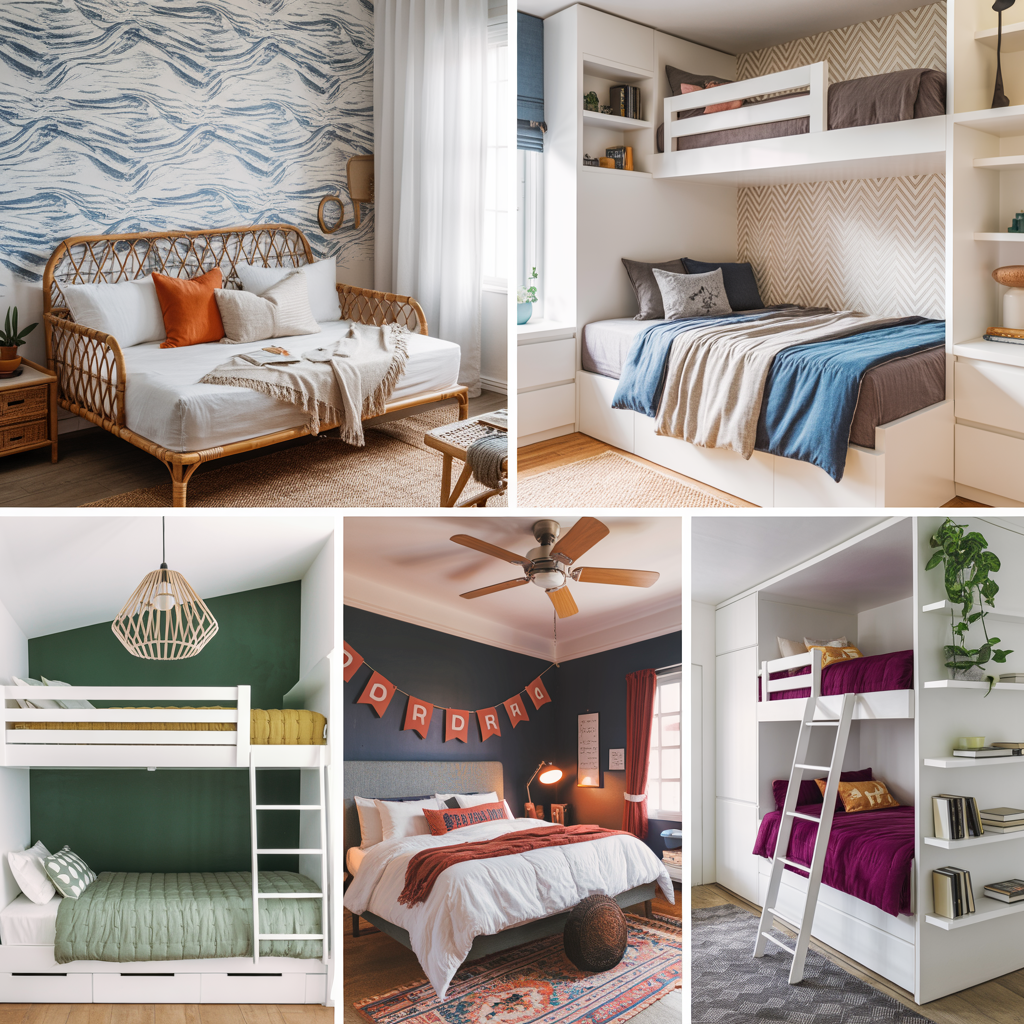
5. Shared Bedroom
A shared bedroom is a practical solution for siblings, roommates, or even vacation rentals. This type of bedroom needs careful planning to balance shared use and personal space. Whether it’s two children sharing a room or adult roommates, the layout should offer comfort and a sense of ownership for each individual.
Start by choosing appropriate bedding—bunk beds are great space savers, while two twin beds offer flexibility. Divide the room with rugs, shelves, or curtains to define separate zones. Give each person their own nightstand, reading lamp, and designated storage.
When it comes to style, use a neutral base with pops of color to add individuality. Label drawers or storage bins so belongings don’t get mixed up. Use wall decals or cork boards to allow each person to decorate their side without disrupting the overall look.
The best shared bedrooms strike a balance between unity and privacy, offering both shared functionality and individual comfort.
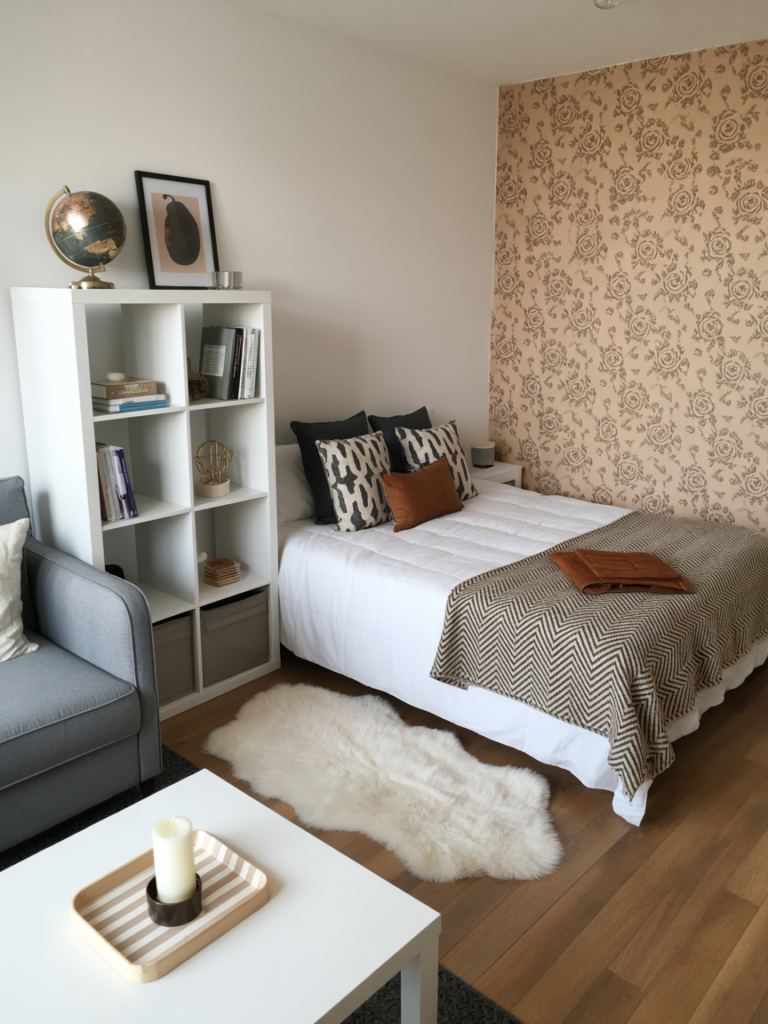
6. Small Bedroom / Studio Sleeping Area
Designing a small bedroom or sleeping area in a studio apartment requires creativity and space-saving strategies. Though limited in size, these rooms can be just as cozy and stylish as larger ones if laid out thoughtfully. The goal is to maximize every square inch while keeping the space light, open, and clutter-free.
Choose a compact bed like a daybed, wall bed, or storage platform bed. Use vertical space with floating shelves, wall hooks, or tall wardrobes. Opt for multipurpose furniture—foldable desks, nesting tables, or ottomans with hidden storage.
Light colors such as white, soft beige, or pale gray help make the space feel larger. Use mirrors strategically to reflect light and create the illusion of more room. Keep window treatments minimal to let natural light flow in.
A small bedroom thrives on smart design. With a clean aesthetic and well-chosen elements, it can feel both spacious and serene.
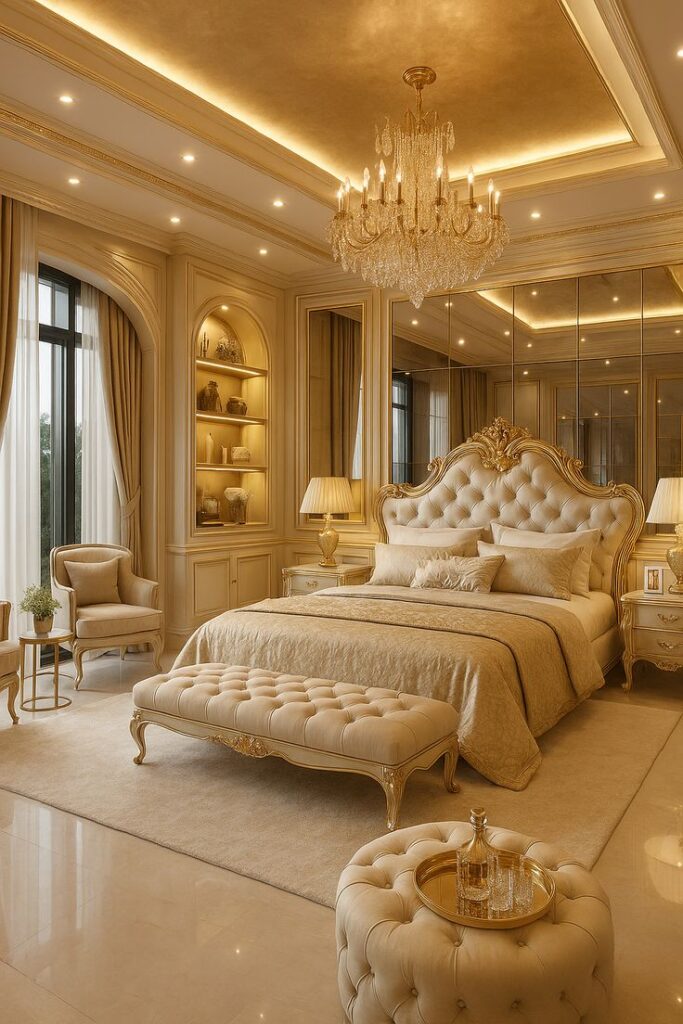
7. Luxury Bedroom / Boutique-Style Suite
A luxury bedroom, sometimes called a boutique-style suite, is where high design meets total comfort. This space is more than just a place to sleep—it’s an experience. Inspired by five-star hotels or dream homes, luxury bedrooms focus on elegance, texture, and detail.
Start with a plush king-size bed and statement headboard—upholstered, tufted, or sculptural. Choose fine-quality linens, layered throws, and oversized pillows. Use a cohesive color palette with rich hues like navy, emerald, charcoal, or ivory.
Lighting sets the mood. Use a chandelier or pendant light for drama, wall sconces for symmetry, and bedside lamps with dimmers for ambiance. Add personal indulgences such as a fireplace, reading nook, or custom closet. Materials like velvet, silk, marble, and brass elevate the space.
Luxury bedrooms are about slowing down, pampering yourself, and enjoying an elegant, restful lifestyle—right in your own home.
Leave a Reply