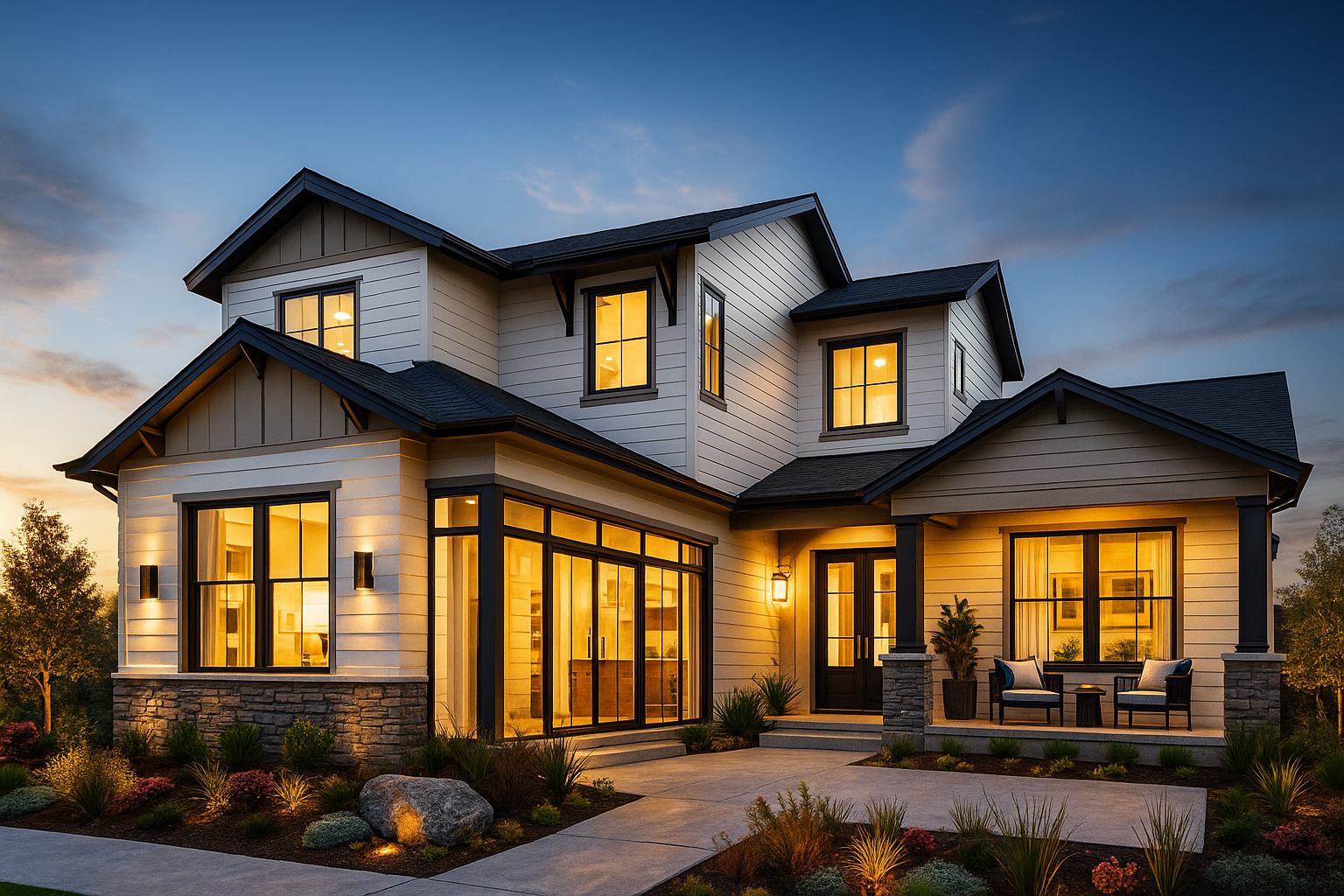
Explore 10+ popular types of homes in 2025, from single-family houses to modern villas. Understand each home type with features, structure, and design. Perfect for home buyers, real estate learners, and design lovers.
Understanding Homes: Structure, Design & Purpose
What Is a Home?
A home is a space where people live, grow, and feel safe. It’s not just a physical structure—it’s a place of comfort, memories, and emotional well-being. Homes come in many types and styles, from small city apartments to large countryside villas. Each type is designed to suit different lifestyles, family sizes, and cultural traditions.
How Homes Are Built
Homes are constructed using a step-by-step process:
- Design & Planning – Architects plan the layout, style, and technical details.
- Foundation – A strong base is built using concrete or steel.
- Framing – Walls, roofs, and floors are created.
- Utilities – Electricity, plumbing, and heating systems are installed.
- Finishing Touches – Interior walls, flooring, doors, windows, and paints are added.
- Exterior – Landscaping, fencing, and garages complete the structure.
Common materials include brick, wood, cement, steel, and increasingly, eco-friendly components like bamboo or recycled metal.
Interior & Exterior Design
A good home is not only strong but also beautiful and functional. Interior design helps organize the space, create flow, and match the lifestyle of the people inside. Some popular home design styles are:
- Modern minimalist – Simple lines, neutral colors
- Rustic – Wood textures and natural tones
- Contemporary – Bold, trendy, and updated
- Tropical or boho – Breezy spaces with light fabrics and plants
Design choices include furniture, wall art, lighting, flooring, storage, and color palette.
Why Homes Matter
Owning or renting a home is one of the most important parts of life. It gives us a place to rest, work, and build relationships. It can also be a long-term investment that grows in value. Whether small or large, a well-designed home improves mood, productivity, and health.
1. Single-Family Home (Types of Homes)
What Is a Single-Family Home?
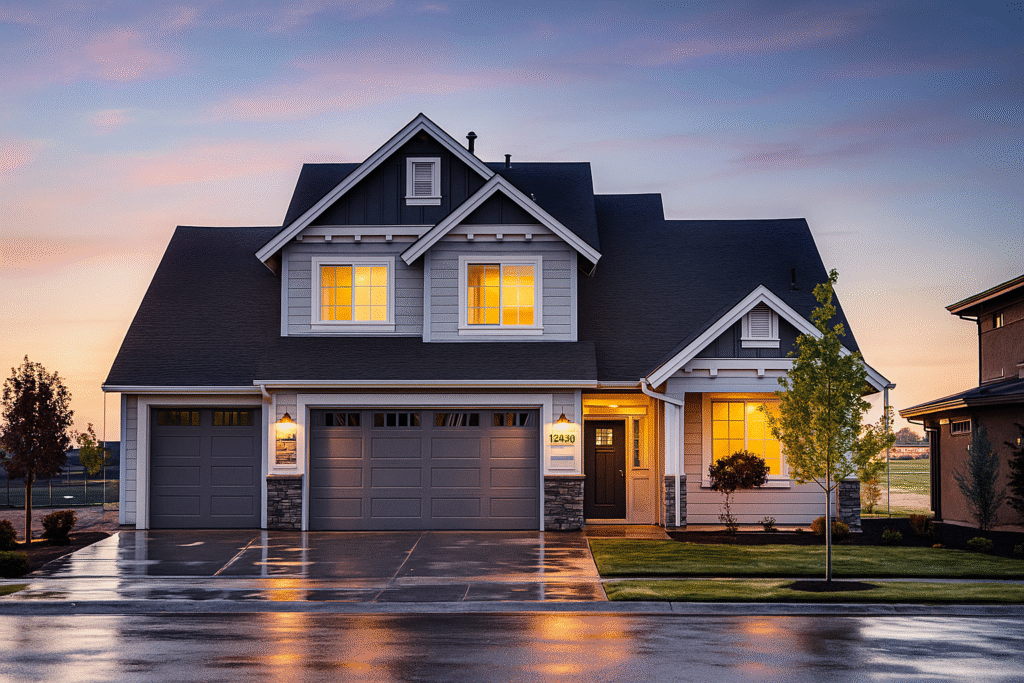
A single-family home is a detached residential unit made for one household. It does not share walls or utilities with other homes and is built on its own plot of land. These are often found in suburban neighborhoods, offering privacy and room to grow.
This home type provides total independence—you have full ownership of both the house and land. It’s a common choice for families looking for long-term stability and freedom to customize.
Key Features and Benefits
Most single-family homes include 2–5 bedrooms, a full kitchen, living room, dining area, garage, front yard, and backyard. Homeowners can freely add patios, decks, swimming pools, or even expand the house.
Privacy is a major benefit. You won’t hear neighbors through the walls, and there are no shared hallways or elevators. You can host gatherings, let pets run outside, or plant your own vegetable garden—all without restrictions from neighbors or building rules.
Another big plus is that single-family homes tend to appreciate in value over time. Since you own the land too, these properties often offer strong resale potential and can be passed down as family assets.
Who Is It Best For?
- Families with children or pets
- Homeowners who want customization freedom
- People seeking long-term investment and privacy
2. Apartment (Flat)
What Is an Apartment?
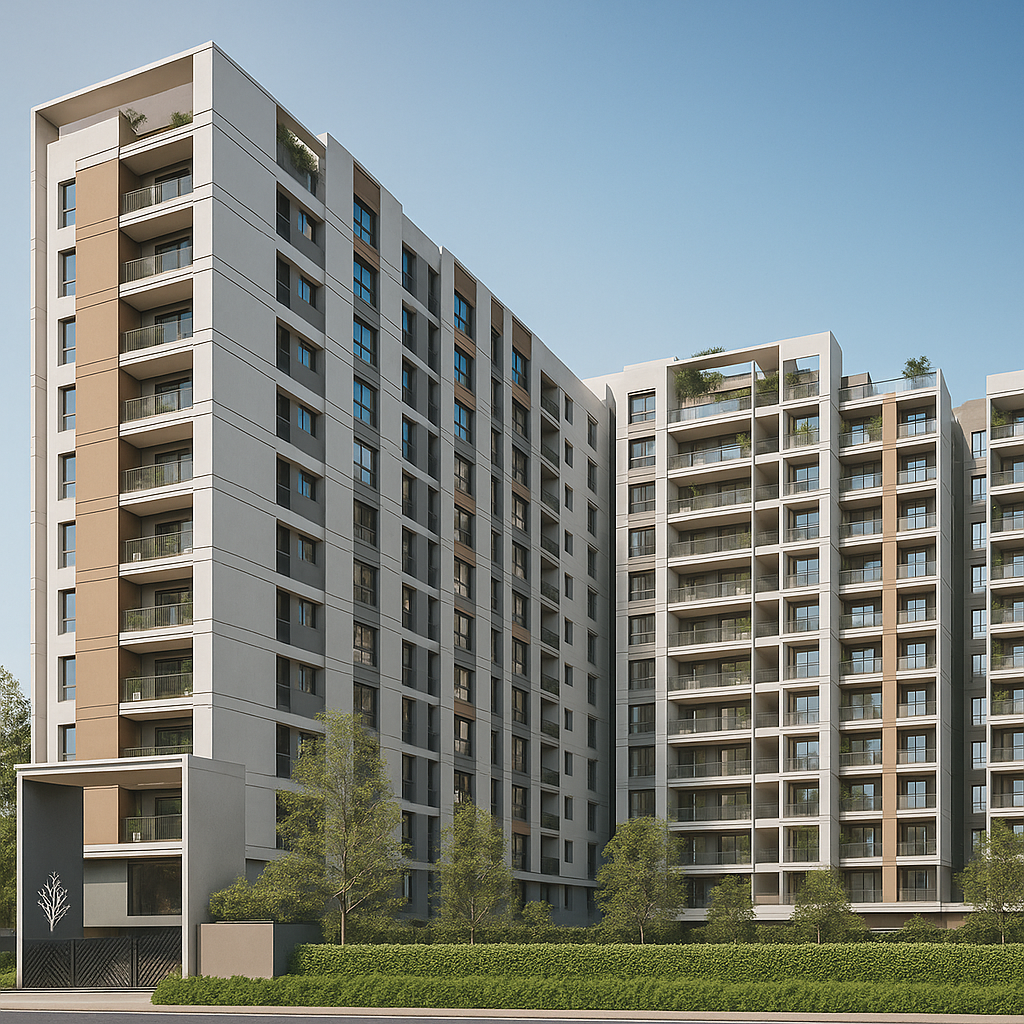
An apartment, also known as a flat in many countries, is a single residential unit within a larger building that contains multiple similar homes. Unlike a single-family home, an apartment shares walls, floors, ceilings, and facilities with other units. Apartments can be small (studio or 1-bedroom) or large (3+ bedrooms), depending on the layout and building design.
Apartments are often found in urban and metropolitan areas where space is limited, and population is high. These buildings may be several floors tall and include features like elevators, stairwells, and central hallways connecting each unit.
Features and Lifestyle
Living in an apartment is generally more convenient than owning a house, especially in cities. Most modern apartment complexes offer shared amenities such as:
- Gym or fitness center
- Swimming pool
- Security and gated access
- Parking areas
- Rooftop or common lounges
- On-site maintenance
Apartments are usually rented, but some can be owned (such as condominiums). Maintenance of the building, landscaping, and security is handled by a management company or landlord, making it ideal for people who don’t want the responsibilities of property upkeep.
Interior design is important in apartments because space is often limited. Open-plan layouts, smart storage solutions, and multi-functional furniture help maximize functionality and comfort in compact living areas.
Pros and Considerations
Apartments are great for singles, couples, students, or small families. They are also often located close to work, public transport, markets, restaurants, and schools—making city life more convenient. However, they may have rules about noise, pets, or modifications to the space. There’s also less privacy compared to a detached home.
Who Is It Best For?
- Young professionals or students
- Small families or couples
- People who prefer convenience, low maintenance, and city access
3. Townhouse
What Is a Townhouse?
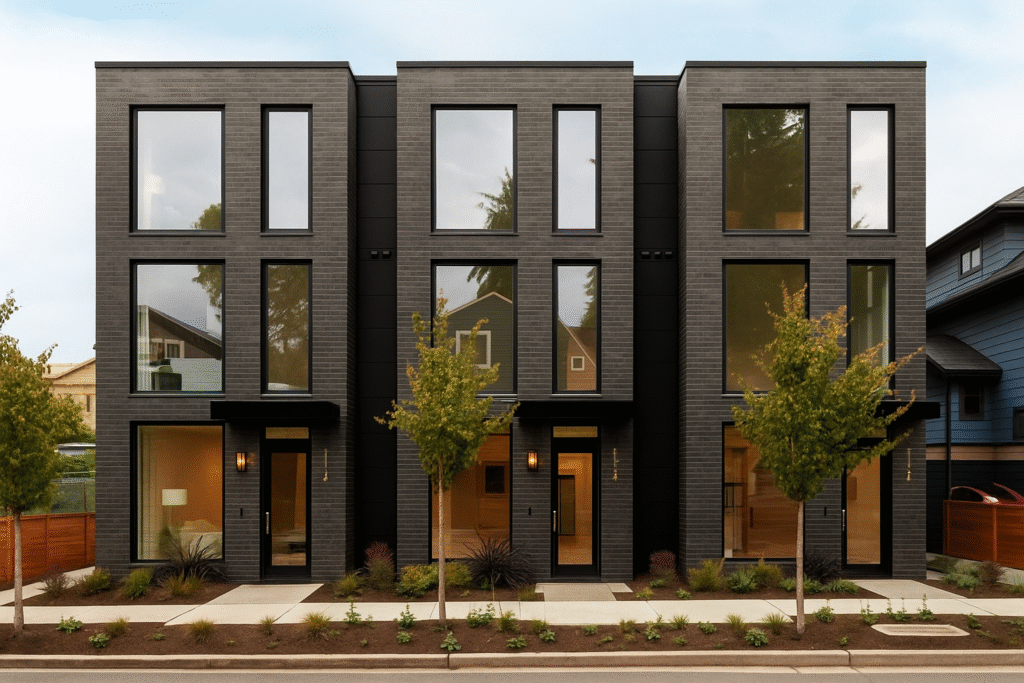
A townhouse is a multi-level home that shares one or more walls with neighboring units. Unlike an apartment, which is usually one floor within a building, a townhouse is vertically structured—meaning it typically has two or three stories with a private entrance and sometimes even a small front yard, backyard, or garage.
Townhouses are built in rows, with a uniform design across units. While they offer less privacy than a detached home, they provide more independence than apartments. Each unit has its own entrance, and in many cases, its own driveway or garage.
Townhouses combine the space and layout of a house with the convenience and affordability of a shared residential structure. You own both the interior and exterior of your unit, but often, there’s a homeowners association (HOA) that maintains the common areas and enforces shared rules.
Features and Design
A typical townhouse may include:
- 2–4 bedrooms and 2+ bathrooms
- Separate kitchen, dining, and living areas
- A private patio or small garden
- An attached garage or parking space
- Multiple floors (often two or three stories)
Interior space is often well-planned, with living areas on the ground floor and bedrooms on the upper floors. Some townhouses even have rooftop terraces or balconies.
Many modern townhouse communities offer amenities such as gated entry, parks, swimming pools, or fitness centers. They are common in both suburban and urban developments, offering an efficient use of land while still feeling like a house.
Pros and Considerations
Townhouses are a popular choice for first-time buyers because they offer many of the features of a single-family home at a lower price point. They’re also easier to maintain, especially if the HOA handles landscaping and exterior upkeep.
However, because you share walls, you may experience some noise, and you’ll need to follow certain HOA rules. The amount of outdoor space is also more limited than in detached homes.
Who Is It Best For?
- Young families and couples
- First-time homebuyers
- People who want the balance between affordability and independence
4. Condominium (Condo)
What Is a Condominium?
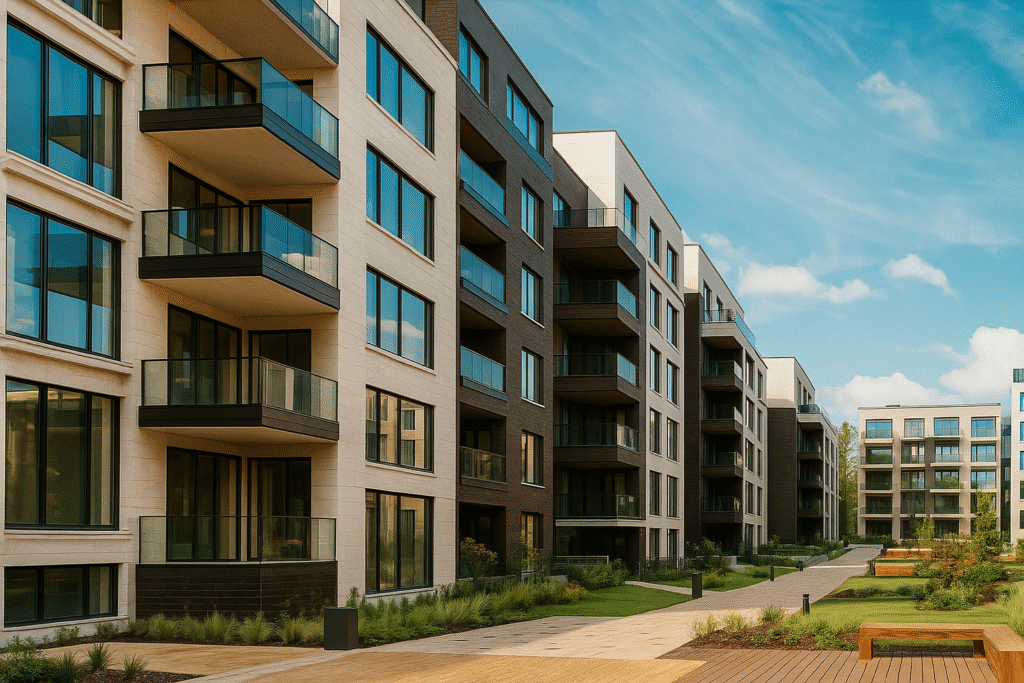
A condominium, often shortened to condo, is a type of residential unit that is privately owned but located within a larger building or community of similar units. Unlike apartments, which are typically rented, condos are purchased and owned by individuals. You own everything inside your unit, but the building’s exterior and shared spaces are co-owned with other residents and maintained by a homeowner’s association (HOA).
Condos are popular in urban centers and luxury developments, offering modern living with shared services like security, elevators, gyms, pools, and more. They’re a smart option for those who want ownership but with low maintenance responsibilities.
Features and Amenities
Living in a condo means you have access to both private living space and shared facilities. Key features often include:
- 1 to 3 bedrooms with attached bathrooms
- Modern kitchens and living rooms
- Balcony or terrace (in some units)
- High-rise views in city locations
- Central air conditioning and heating
- Shared access to amenities like pools, fitness centers, clubhouses, lounges, or coworking spaces
The HOA charges a monthly or annual fee for the upkeep of shared areas like elevators, lobbies, parking garages, landscaping, and security systems.
Many newer condos are part of luxury or mixed-use buildings, which may include retail shops, cafes, or even rooftop gardens, creating a resort-style or urban lifestyle experience.
Pros and Considerations
The biggest benefit of owning a condo is low maintenance. Since the HOA handles exterior care, snow removal, and repairs for shared areas, you only need to focus on maintaining your unit.
However, there are trade-offs. Condo living may come with restrictions such as limits on pets, renovations, or renting out your space. You’ll also need to budget for HOA fees, which vary depending on location and amenities.
That said, condos are still more affordable than single-family homes, especially in city centers, making them ideal for first-time buyers, busy professionals, and downsizing seniors.
Who Is It Best For?
- Professionals or couples who want to live in the city
- Seniors or individuals looking to downsize
- Homeowners who prefer maintenance-free living
5. Cottage
What Is a Cottage?
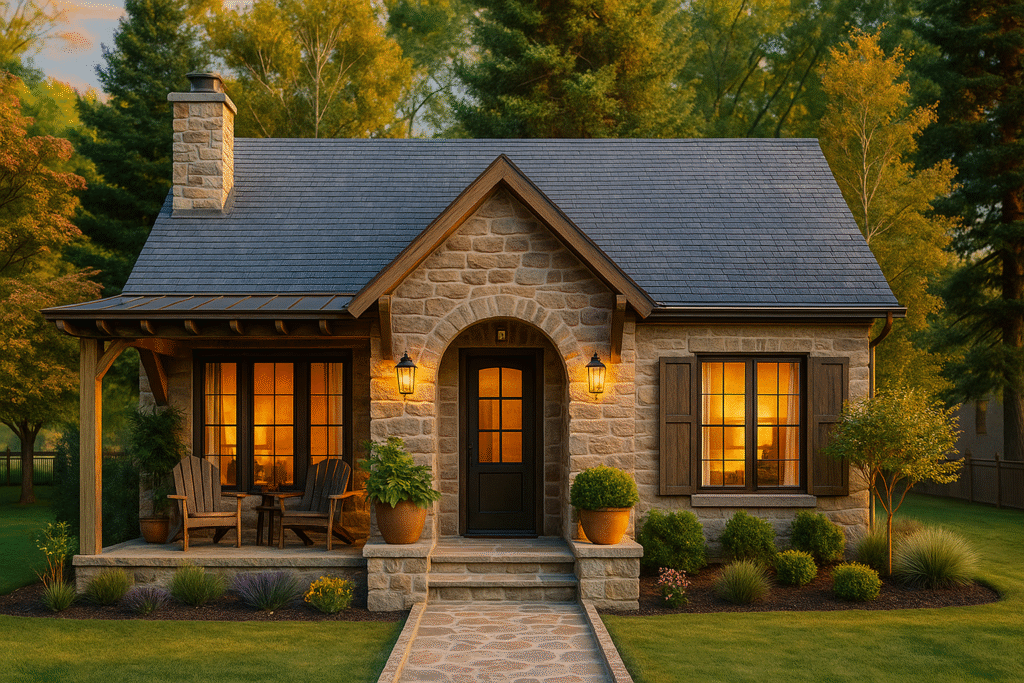
A cottage is a small, cozy home typically found in rural, lakeside, mountain, or countryside settings. Cottages are known for their warm and inviting charm, often built with natural materials like stone, brick, or wood. Traditionally, cottages were modest dwellings for farmers or workers, but today they’re often used as vacation homes or peaceful permanent residences.
Cottages come in various styles—English, Scandinavian, rustic, modern, or coastal—and are usually one or one-and-a-half stories tall. They have compact layouts and are designed to feel intimate, comfortable, and close to nature.
Features and Design
Cottages prioritize coziness and charm over size. While small in square footage, they make smart use of space with practical layouts. Common features include:
- 1 to 3 bedrooms, often with sloped ceilings
- A small kitchen and a central fireplace or wood stove
- Exposed wooden beams, natural stone walls, and vintage decor
- Large windows with views of nature
- A front porch, garden, or stone walkway
- Simple, handmade furniture and built-in storage
Many people design cottages with a country-chic, bohemian, or rustic-modern style—blending natural textures, soft lighting, and calming colors. Plants, cozy rugs, and handmade items are often used to enhance the space.
Cottages can be made as eco-friendly homes, using solar panels, rainwater harvesting, and energy-efficient insulation due to their smaller size and lower energy needs.
Pros and Considerations
Cottages offer a quiet, peaceful lifestyle, making them ideal for weekend getaways or retirement living. They are less expensive to build or maintain than larger homes, and the simpler design encourages a more minimal, grounded way of life.
However, space may be a limitation—especially for large families or those who need modern amenities. Cottages also tend to be located further from cities, meaning longer commutes or limited access to services in rural areas.
That said, the growing interest in slow living, nature-based design, and cozy minimalism is making cottages increasingly popular even in suburban neighborhoods.
Who Is It Best For?
- Nature lovers and countryside dwellers
- Retirees looking for quiet, low-maintenance homes
- People seeking a minimalist, cozy lifestyle
- Vacation home or Airbnb property owners
6. Villa
What Is a Villa?
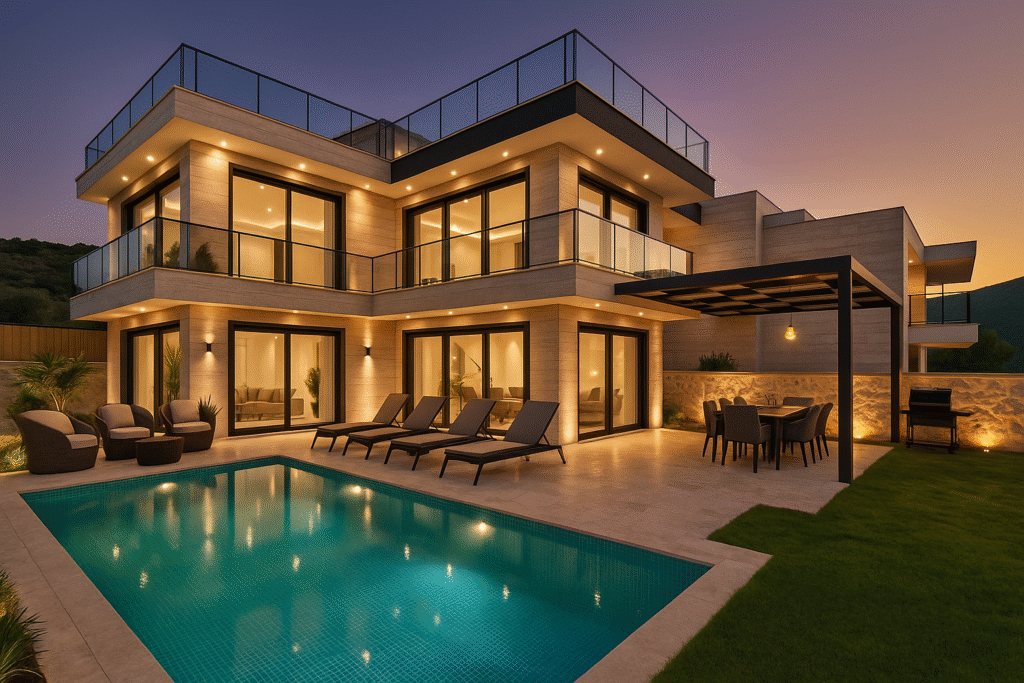
A villa is a luxurious, spacious home typically built in desirable, scenic locations such as coastal regions, resorts, or exclusive suburbs. Historically, villas were Roman country estates used by wealthy families, and the modern version still reflects that elegance, privacy, and grandeur. Villas are often used as private residences, high-end vacation homes, or investment properties for rental income.
Villas are designed to offer maximum comfort and high-end living, often including private pools, lush gardens, open-air courtyards, and expansive living areas that blend indoor and outdoor living. In tropical or Mediterranean climates, villas take full advantage of sunshine, natural views, and cross-ventilation.
Features and Design
Villas are typically custom-designed and may be single-story or multi-story homes. Their architecture can range from modern minimalist to classical Mediterranean or tropical resort-style. Common features include:
- Large open-plan layouts with 3+ bedrooms and ensuite bathrooms
- Designer kitchens with high-end appliances
- Private pools, jacuzzis, and landscaped gardens
- Outdoor entertaining areas, BBQ stations, and gazebos
- Floor-to-ceiling windows and sliding glass doors
- Smart home automation and security systems
- Separate guest suites or staff quarters
The interior design of a villa usually includes luxurious finishes—like marble flooring, hardwood furniture, imported tiles, and custom lighting. Villas emphasize spaciousness, airiness, and harmony with nature.
Many tropical villas are designed with eco-friendly principles such as solar panels, rainwater collection, passive cooling, and locally sourced materials.
Pros and Considerations
Villas are ideal for those who want to enjoy the finest level of private living, whether for daily life or vacation use. They offer space, security, and exclusivity—often situated in gated communities or resort-style neighborhoods.
On the downside, villas tend to come with higher costs, including maintenance of the large property and landscaping. They’re not ideal for city dwellers or those looking for low-maintenance homes.
Still, villas provide a prestigious lifestyle, blending beauty, comfort, and privacy in ways few home types can match.
Who Is It Best For?
- High-income families or individuals
- Real estate investors seeking luxury rental properties
- People who value space, beauty, and resort-style living
- Retirees or digital nomads looking for peaceful, exotic settings
7. Mobile Home (Trailer)
What Is a Mobile Home?
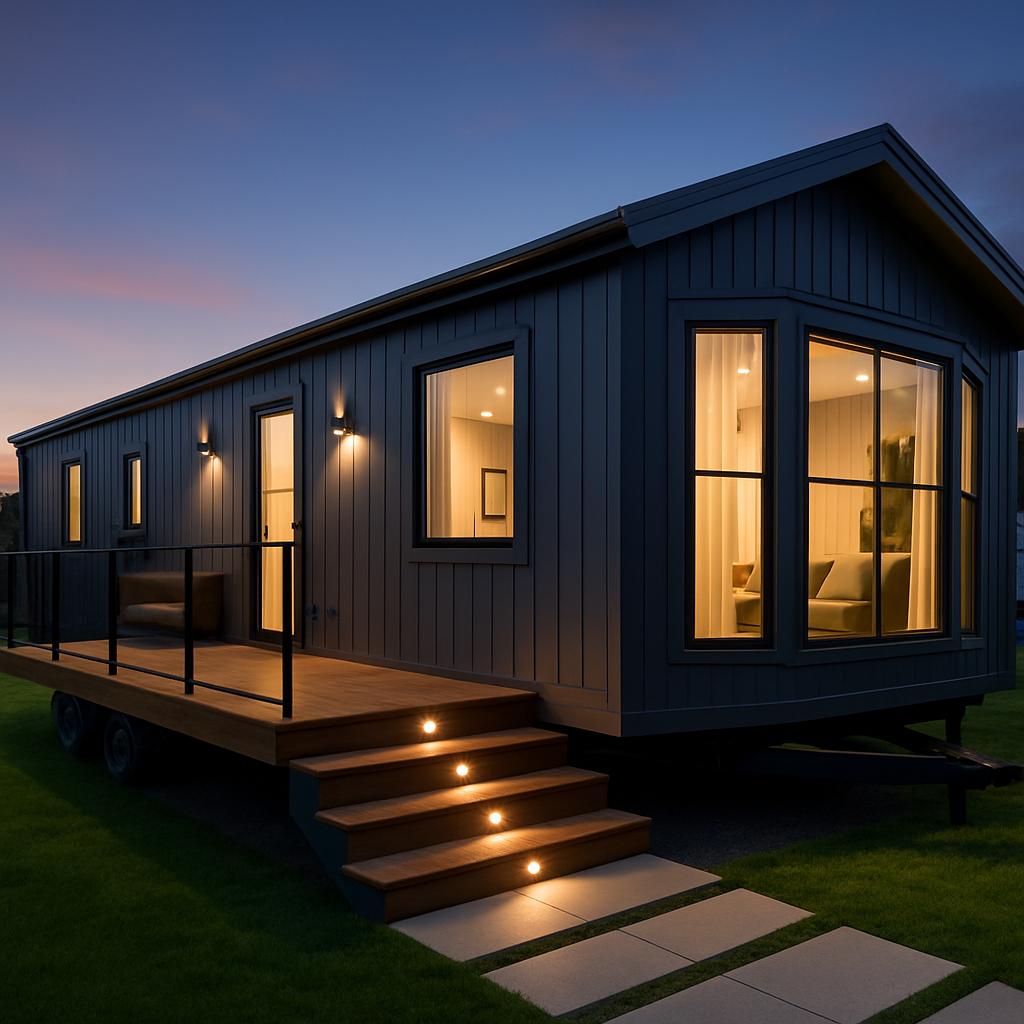
A mobile home, also called a trailer home or manufactured home, is a type of residence built in a factory and then transported to its final location. Unlike traditional homes built on permanent foundations, mobile homes are made to be moveable—although many are placed in fixed locations like trailer parks or mobile home communities.
These homes are a popular option for affordable living, especially in rural areas or places where land costs are high. While once viewed as basic or temporary, modern mobile homes have evolved to offer many of the comforts and features of conventional houses, all at a lower price point.
Features and Structure
Mobile homes are built according to strict federal building codes and come in various sizes:
- Single-wide: A compact unit with one hallway layout
- Double-wide: Two sections joined to create a larger home
- Triple-wide: A luxury mobile layout with more space and features
Typical features may include:
- 1 to 3 bedrooms and bathrooms
- Fully equipped kitchens and laundry areas
- Open living and dining spaces
- Heating and cooling systems
- Vinyl or wooden flooring and cabinetry
- Skirting or siding to give the appearance of a traditional home
Some mobile homes also include porches, decks, or carports, and they can be upgraded with smart features or eco-friendly systems like solar power or rainwater tanks.
Pros and Considerations
The biggest benefit of a mobile home is its affordability. For many first-time homeowners, retirees, or those on a budget, it offers the chance to own property without the cost of a traditional house.
Mobile homes are also faster to build and can be customized with different layouts and finishes. They are often located in mobile home parks with shared amenities like clubhouses, pools, or playgrounds, and may offer a sense of community.
However, there are limitations. Some cities have zoning restrictions, and financing a mobile home can be more complicated than a standard mortgage. Additionally, mobile homes may depreciate in value, especially if placed on rented land.
Who Is It Best For?
- First-time buyers or low-income families
- Seniors or retirees looking to downsize
- People who value affordability and simplicity
- Homeowners seeking a second or vacation home
8. Farmhouse
What Is a Farmhouse?
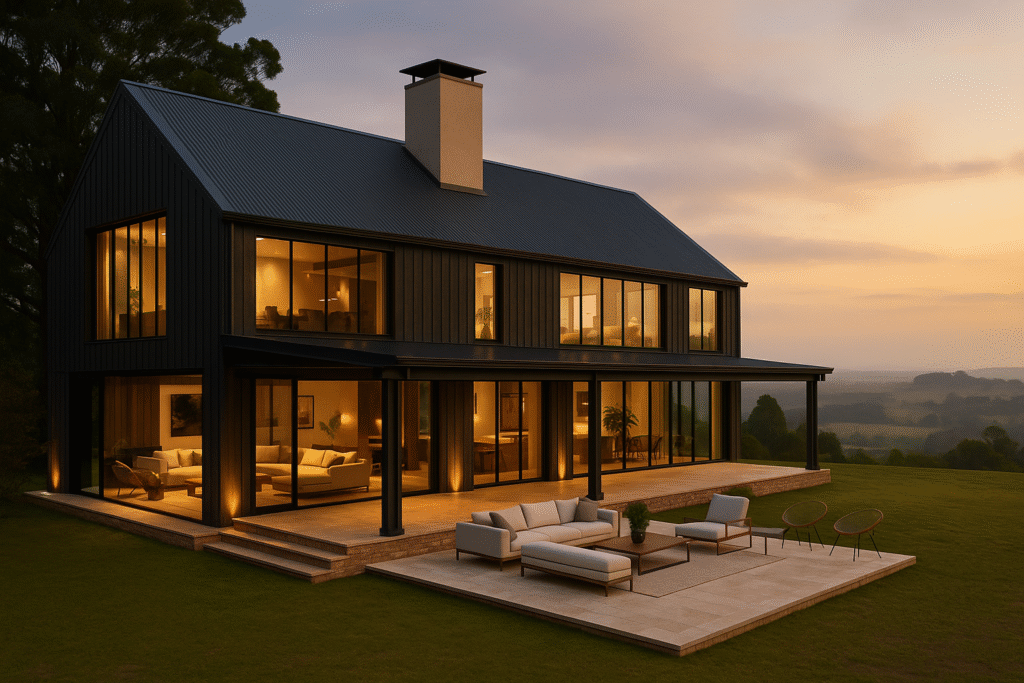
A farmhouse is a type of home traditionally built on agricultural land. Originally designed to support the farming lifestyle, it combines living quarters with practical features like barns, storage sheds, and wide porches. Today, the farmhouse style is not only seen in rural areas but has also become a popular architectural trend in suburban and even urban home design.
Farmhouses are known for their spacious layouts, functional simplicity, and connection to the outdoors. Whether old or newly built, they emphasize comfort, practicality, and timeless charm.
Features and Design
Traditional farmhouses were built with durability in mind, using wood, stone, or brick, and typically had gable roofs, large windows, and wraparound porches to provide shade during long, hot days on the farm.
Modern farmhouses, while inspired by tradition, are updated with contemporary elements like:
- Open floor plans
- Shiplap walls and reclaimed wood accents
- Industrial-style lighting
- Large kitchens with farmhouse sinks
- Mudrooms and utility spaces
- Sliding barn doors and spacious pantries
Farmhouses often feature natural materials and earthy color schemes—like whites, beiges, greys, and wood tones. They are ideal for those who love rustic charm mixed with modern comforts.
In rural settings, farmhouses are often built with nearby structures such as stables, tool sheds, or greenhouses, all supporting a self-sustaining lifestyle. Some people today still grow their own vegetables or raise animals on farmhouse properties.
Pros and Considerations
The biggest advantage of a farmhouse is space—both inside the home and on the surrounding land. This makes them perfect for large families, hobby farmers, or anyone who enjoys outdoor living.
Farmhouses also offer privacy and serenity, far from city traffic and noise. However, they may require more upkeep due to the size of the property and distance from city services. Access to schools, hospitals, or supermarkets might also be limited depending on location.
For those wanting the farmhouse look without rural living, “modern farmhouse” designs are widely available in suburban neighborhoods and new home developments.
Who Is It Best For?
- Families seeking space and rural peace
- Gardeners, hobby farmers, or animal lovers
- Fans of rustic-modern or country-style design
- People who want to live off the grid or close to nature
9. Bungalow
What Is a Bungalow?
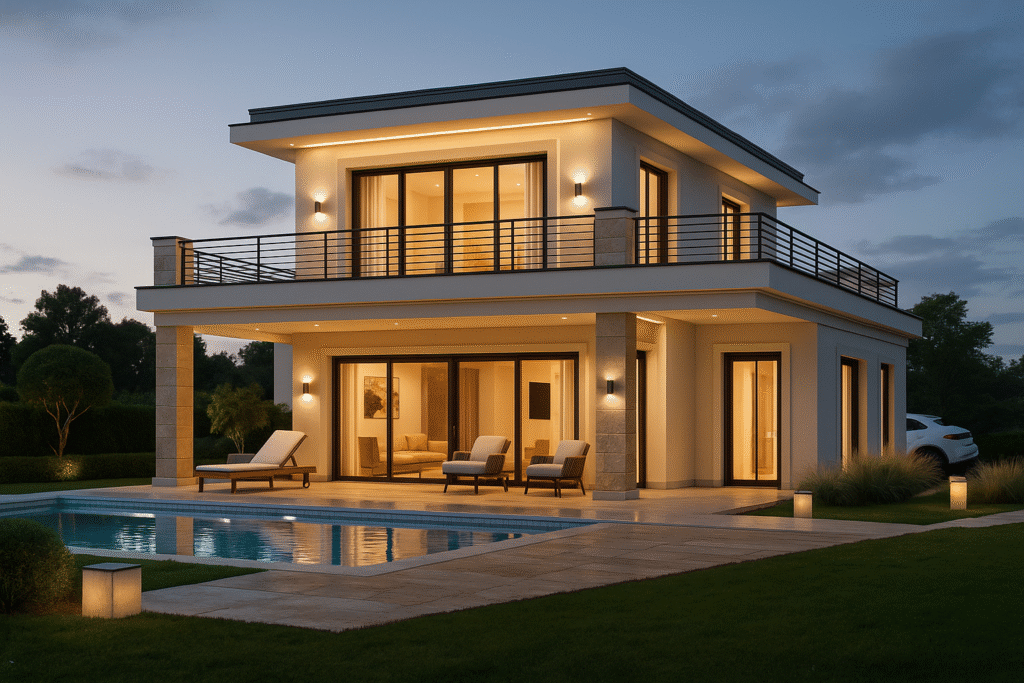
A bungalow is a single-story house that offers compact, practical living with all rooms arranged on one floor. This home style is especially popular among retirees, young families, and minimalists due to its simplicity, accessibility, and cozy layout. While traditional bungalows were modest in design, modern versions can be quite stylish, incorporating open floor plans and efficient use of space.
Bungalows originated in South Asia and became widely popular in Western countries during the early 20th century. Today, they remain a favorite for homeowners seeking low-maintenance, comfortable living with a close connection to the outdoors.
Features and Design
A typical bungalow is designed for easy movement and access, with no internal staircases, making it ideal for people who prefer or require single-level living. Common features include:
- 2 to 3 bedrooms and 1 to 2 bathrooms
- A front porch or veranda
- Compact but functional kitchens and living areas
- Sloped roofs with overhanging eaves
- Large windows to allow natural light
- Garden or lawn areas for outdoor relaxation
Some bungalows also feature loft spaces or attics for extra storage. In warmer climates, bungalows often have high ceilings and ventilated layouts to improve airflow and keep the home cool.
Design-wise, bungalows blend well with styles like Craftsman, Contemporary, Scandinavian, or Boho-chic, depending on the homeowner’s taste. Interior designs tend to emphasize comfort, calm colors, natural textures, and practicality.
Pros and Considerations
The biggest benefit of a bungalow is accessibility—with everything on one floor, it’s perfect for seniors, people with mobility issues, or families with young children. Cleaning and maintenance are easier, and bungalows usually sit on larger plots, allowing for gardening or outdoor leisure.
However, because everything is spread out horizontally, bungalows may require more land than multi-story homes. They can also be more expensive per square foot in high-density areas because they occupy more surface area.
Still, their timeless charm, comfort, and ease of living make bungalows a highly desirable option for many homeowners.
Who Is It Best For?
- Seniors or people with limited mobility
- Small families or couples
- First-time homeowners
- Those who value convenience and simple design
10. Duplex
What Is a Duplex?
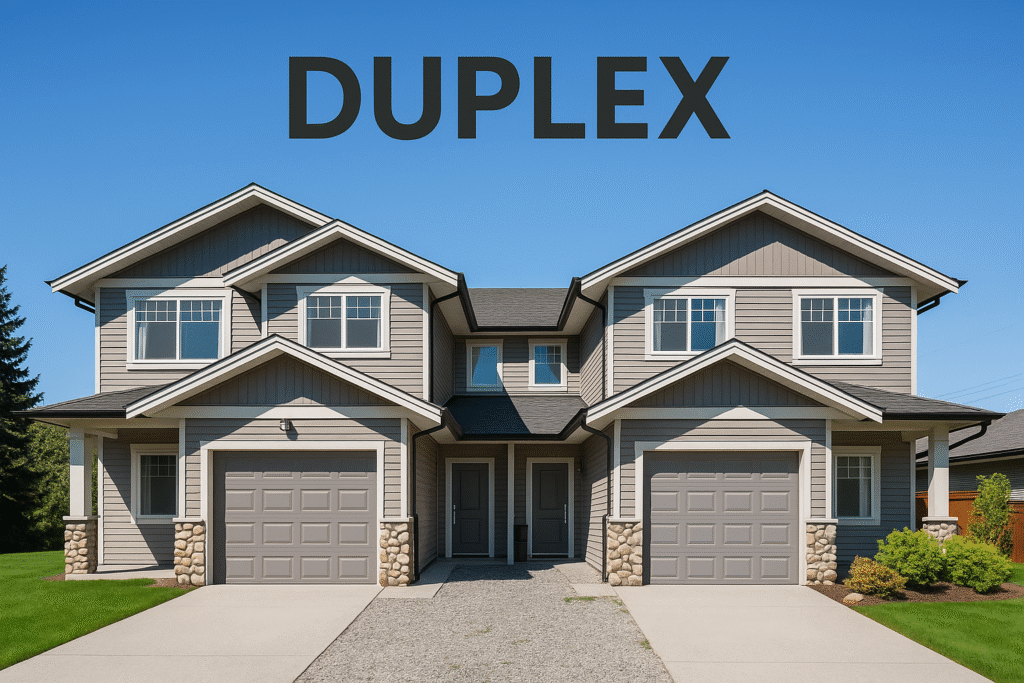
A duplex is a residential building divided into two separate housing units, each with its own entrance, kitchen, bathroom, and living space. These units can be positioned either side-by-side (horizontal duplex) or stacked one above the other (vertical duplex). A duplex may be owned by a single owner who lives in one unit and rents out the other, or both units may be rented separately to different tenants.
Duplexes offer a smart combination of affordability, rental income potential, and privacy, making them popular among real estate investors, first-time buyers, and multi-generational families.
Features and Structure
Each unit in a duplex is fully functional and self-contained. Depending on the size and layout, a typical duplex includes:
- Separate front doors or a shared main entrance with private access inside
- 2–4 bedrooms per unit
- One or two bathrooms in each unit
- Separate kitchen and living spaces
- Driveway or garage for each unit
- Shared outdoor areas or divided backyard spaces
Some modern duplexes are built with a mirror image layout, meaning both sides are identical. Others may be different in size or number of rooms, especially when designed for multi-generational use.
Materials and design vary, but duplexes are commonly found in suburban neighborhoods, city fringes, or older residential districts. Newer duplexes may include energy-efficient features, smart appliances, and stylish interiors.
Pros and Considerations
One of the biggest advantages of a duplex is the opportunity for passive income. Homeowners can live in one unit and rent the other, helping offset mortgage payments or build equity faster. This makes duplexes an attractive option for new buyers looking to enter the property market with extra financial flexibility.
Duplexes are also ideal for multi-generational families—allowing parents, grandparents, or adult children to live nearby while maintaining privacy and independence.
However, owning a duplex may come with added responsibilities, such as maintenance of both units or managing tenants. Privacy may also be less than in a detached home, especially if soundproofing is poor.
Who Is It Best For?
- Real estate investors or landlords
- First-time homebuyers looking to generate rental income
- Multi-generational families living under one roof
- Homeowners who want flexibility and long-term value
Leave a Reply